
Wood-Burning vs Electric Sauna: Which Is Right for You?
Both wood-burning and electric saunas can reach the same temperature. Both can produce excellent loyly. But the experience of using them is genuinely different, and once you understand how, the right choice for your life usually becomes clear.
What Actually Changes Between the Two
The decision is not really about temperature alone. It is about ritual, effort, convenience, and how often you expect to use the sauna.
Wood-burning gives you a slower start, more atmosphere, and a stronger connection to traditional sauna culture. Electric gives you easier daily use, remote control, and less maintenance.
The Wood-Burning Experience
A Ritual From The First Match
Starting a wood-burning sauna is part of the session, not a prelude to it. Laying the fire, hearing it draw, and watching the temperature climb over 45 to 90 minutes is something people either love deeply or find impractical. For those who love it, there is nothing comparable. The smell of burning birch or alder, the crackle of the stove, and the way the heat radiates from the stone mass rather than the air creates an atmosphere that electric heat simply cannot replicate.
In Finland and across Northern Europe, the wood-burning sauna is the original. The Aufguss ceremony, where water is poured over stones and often circulated by a Saunameister, grew from this slower, more ceremonial tradition. If that connection to heritage matters to you, wood is where it lives.
The Heat Itself
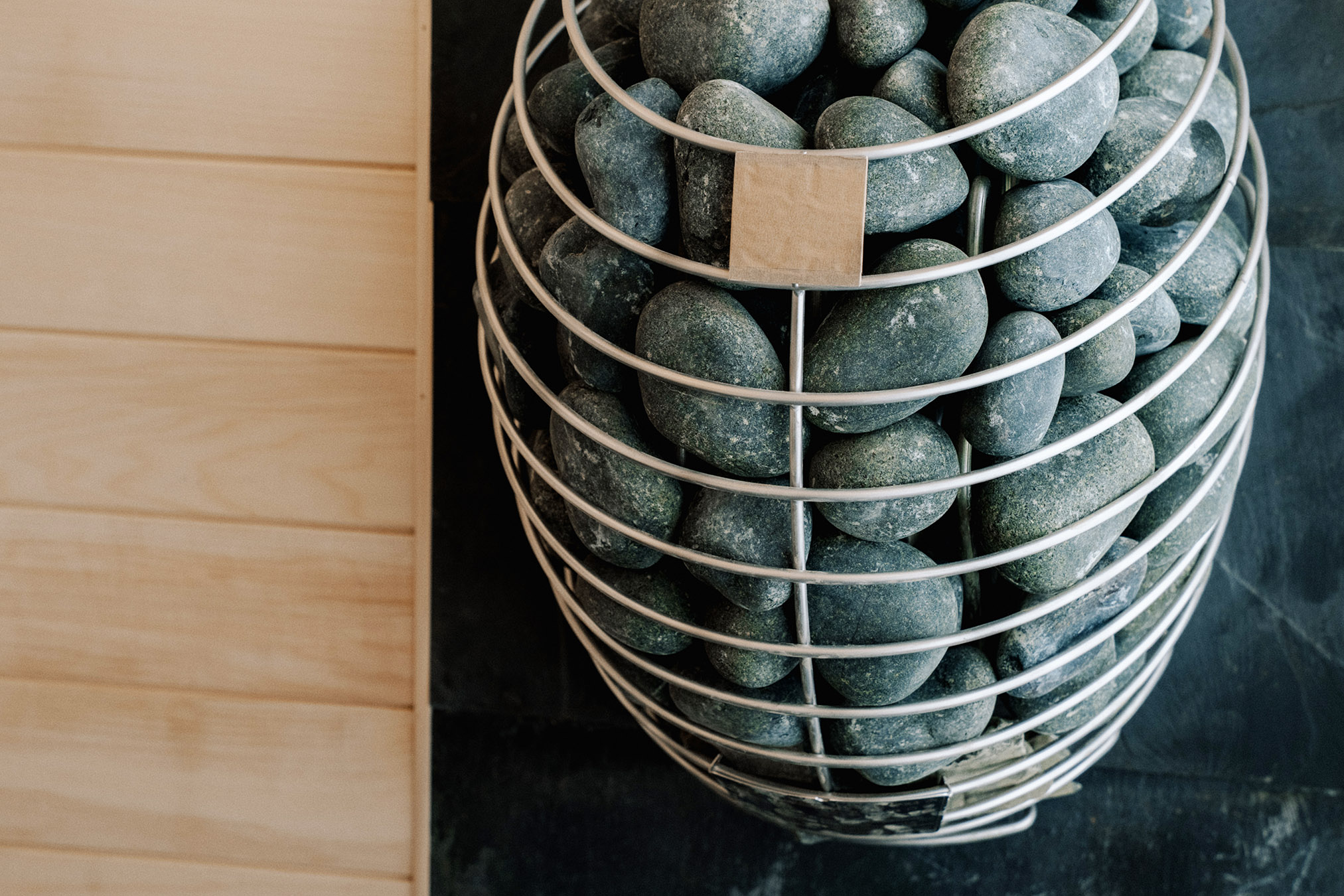
Wood-burning stoves carry varying stone masses - from around 40 kg in smaller models to over 120 kg in large family stoves. Those stones absorb heat from the fire over a long time, building a deep thermal reserve. When you pour water, the steam produced is dense, sustained, and enveloping. Many experienced sauna users describe it as softer and more alive than electric heat. The temperature fluctuates naturally as the fire breathes, which some people find more comfortable for long sessions.
The radiant warmth from a large stone mass also warms the body differently. You feel heat from the surfaces around you, not just the air. That contributes to the perception of a gentler, more immersive experience.
What To Keep In Mind
- •You need to be present. The fire requires attention from start to finish and cannot be started remotely.
- •Heat-up takes 45 to 90 minutes. For some people that is part of the ritual, for others it is a practical barrier.
- •Firewood quality directly shapes the session. Dry hardwoods like birch, alder, and oak burn hotter and cleaner.
- •The firebox needs emptying after each session. It takes only a few minutes, but it is part of the routine.
- •Temperature rises and falls with the fire cycle. Enthusiasts usually see that as a feature, not a flaw.
The Electric Experience
Ready When You Are
A 6 kW Kaizen heats at roughly 1 C per minute from a cold start, which means around 60 to 80 minutes on a winter morning and closer to 60 minutes in warmer weather. That is not dramatically faster than a wood fire. What changes is the effort: schedule preheat from your phone, step outside when the timer ends, and there is nothing left to do. WiFi control is standard on the Ikigai and Hansei models; on the Kaizen it is available as a paid add-on.
There is no fire to manage, no waiting on the wood to catch, and no dependency on what the weather is doing. For people who want sauna as a daily recovery tool rather than a weekly ceremony, electric makes that genuinely achievable.
The Heat Itself
Electric heaters maintain a precise, consistent temperature throughout your session. The air heats cleanly and holds steady, with no temperature dips between pours of water. HUUM stoves, fitted as standard in all Yuki Saunas, are designed with high stone capacity for electric models: the Kaizen carries 55 kg, enough to produce full, satisfying loyly for up to three people. Larger models carry proportionally more.
The heat from a well-built electric sauna is not inferior. It is different. Precise rather than fluctuating, consistent rather than rhythmic. For therapeutic use, where steady temperature matters, this is often the better tool.
What To Keep In Mind
- •There is no fire-starting ceremony. For some people this is the point; for others it removes something they value.
- •Stone mass depends on the model - the HUUM DROP holds 55 kg, larger electric stoves up to 150 kg. The real difference from wood-burning is in the character of the heat, not simply the amount of stones.
- •The temperature holds steady rather than fluctuating, so sessions feel consistent rather than dynamic.
- •Heat-up takes 60 to 80 minutes from cold in winter, so preheating from your phone matters.
- •No ash and no firewood management. A visual check now and then is all the maintenance needed.
- •Heating elements will eventually burn out. Each one lasts from 2 to about 6 years, depending on the manufacturer and how often the sauna is used.
Heat Steam and Loyly Compared
Loyly is the steam produced when water hits heated stones, and it is the heart of any Finnish sauna. Both heater types can produce it, but they produce it differently.
A wood-burning stove with a large stone mass - 80 kg and above - creates what many describe as the finest loyly possible. The thermal mass is so large that each ladle of water produces a sustained, enveloping burst of steam. The stones stay hot between pours, so consecutive rounds of steam are consistent and powerful. Extended social sauna sessions, the kind that last two or three hours with multiple rounds, are where wood-burning excels.
A HUUM electric stove with 55 kg of stones produces very good loyly for a compact unit. It is not the same as a 100 kg wood-burning stove, but for a daily session of 45 minutes to an hour, it is entirely satisfying. The difference becomes more noticeable in larger groups or very long sessions. Wood-burning holds its advantage there.
On the temperature of wood-burning heat
Research in thermal physiology distinguishes between air temperature and mean radiant temperature, the heat you absorb from warm surrounding surfaces. Wood-burning saunas tend to score higher on radiant heat because of the large, glowing stone mass. That is why the perceived warmth in a wood-burning sauna often feels higher than a thermometer would suggest.
How Each Fits Into Daily Life
The clearest predictor of which sauna suits you is not preference. It is frequency of use and the role the sauna plays in your week.
If sauna is a ritual - something you do on a Saturday, slowly, with time to spare - wood-burning fits beautifully. The slow heat-up becomes part of the experience. You chop wood, you tend the fire, you have your session. The ceremony is the point.
If sauna is a daily habit - something you use after training, on a weekday evening, as part of recovery - electric is the more honest choice. Getting into the sauna easily and regularly is where the health value lives. An electric heater removes every barrier to that.
If you are hosting friends - or family for long sauna evenings - wood-burning creates an experience that electric cannot quite match. The atmosphere, the ritual, and the steam quality over multiple rounds are where wood-burning is genuinely superior.
Commercial Sauna Guidance
For a commercial sauna, electric is usually the more practical choice. Maintenance is lower than with a wood-burning stove, even if running costs are higher. The trade-off makes sense when the sauna is expected to operate reliably, often, and with minimal supervision.
If you are looking at a commercial setup, see Sauna Tuula, which we helped set up.
Wood-Burning Vs Electric Side by Side
| Topic | Wood-Burning | Electric |
|---|---|---|
| Heat-up time | 45 to 90 minutes | 60 to 80 minutes |
| Heat character | Soft, radiant, fluctuating | Precise, consistent, steady |
| Loyly quality | Exceptional, with a large stone mass | Very good, with high stone capacity |
| Session atmosphere | Ritual, ceremonial, sensory | Clean, efficient, on demand |
| Best for long sessions | Excellent | Good |
| Best for daily use | Demanding | Ideal |
| WiFi or remote control | Not possible | Standard on Ikigai and Hansei; paid add-on on Kaizen |
| Firewood dependency | Dry hardwood required | None |
| After-session routine | Ash removal and stove check | Ventilate and close |
| Off-grid use | Yes | No |
| Social sauna evenings | Exceptional atmosphere | Comfortable and reliable |
| Daily recovery | Possible, but high commitment | Purpose-built for this |
Which One Is Right For You
Choose Wood-Burning If...
- •The ritual of starting the fire and waiting for the heat is something you want, not something you tolerate.
- •You host long social sauna sessions, usually two or three hours with family or friends.
- •You want the deepest, most enveloping loyly possible, with the largest stone mass.
- •You have a connection to Finnish sauna tradition and want that experience in your garden.
- •You have easy access to good quality firewood.
Choose Electric If...
- •You want to use your sauna regularly, four or five or six times a week, with minimal effort.
- •You want to preheat from your phone and step in without preparation.
- •Your primary use is recovery after training, after a long day, or as a wellness routine.
- •Consistency and convenience matter more than ceremony.
- •You want a sauna that works every time without managing fire or wood.
Both are real sauna heaters. The question is which ritual fits your life.
At Yuki Sauna, most models except Kaizen can be fitted with electric or wood heaters. If you are not sure which suits your life better, we are happy to talk it through.
If you are still working through the broader decision, our complete outdoor sauna buying guide covers everything to know before you commit. And if you are curious about how ventilation interacts with heater choice, the YukiHeat ventilation guide goes into detail on airflow in both configurations.
Featured Model
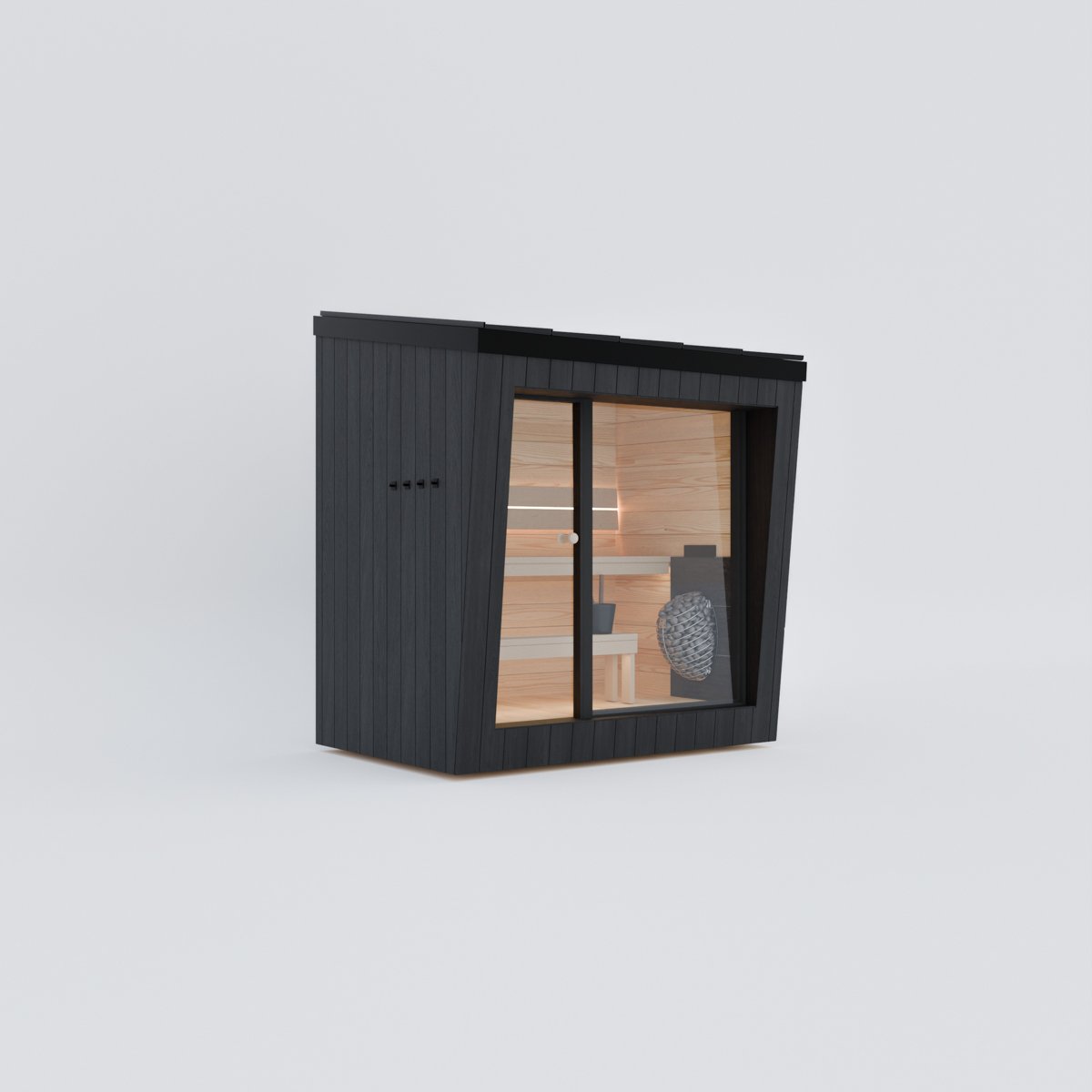
Sauna Kaizen
Our most compact model. HUUM 6 kW stove, 55 kg stone capacity, YukiHeat ventilation.
Learn More →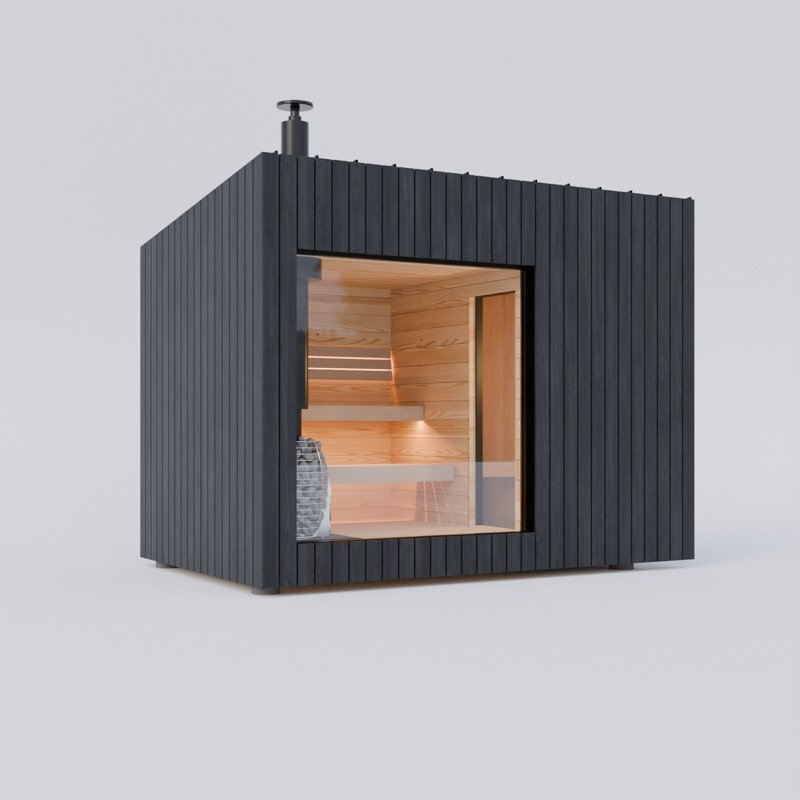
Featured Model
Sauna Hansei
Our largest model. Built for longer sessions, larger groups, and higher stone mass.
Learn More →