
What Makes a Premium Sauna Premium: Materials, Shape, Ventilation, Details
Buying a sauna is a bit like buying a car. Lots of manufacturers, designs and sizes. How do you pick the right one, and what should you be looking at?
So what makes a premium sauna premium? Four things, and only one of them is visible from the driveway.
Materials
The first thing you see when you look at a sauna is what it is made of. Did the manufacturer go for cheaper wood with knots, or for the more expensive, knot-free timber?
Materials, and wood in particular, make up a large share of what a sauna costs to build. Which is why so many manufacturers cut corners here, and why the savings are so easy to spot once you know where to look.
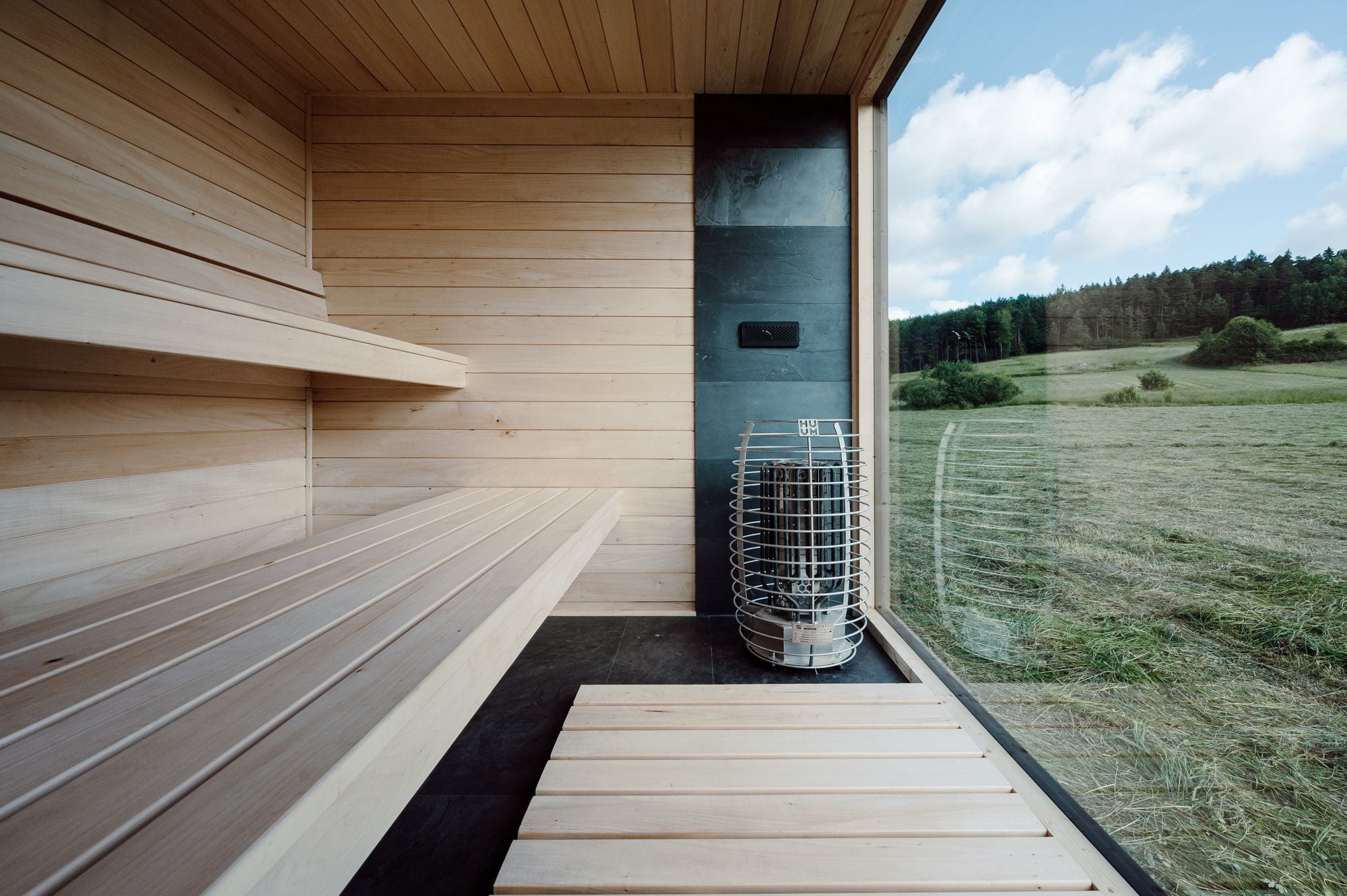
Knots matter in pine and spruce, because that is where the resin sits. Lime, alder, abachi and aspen have no resin to begin with. Look for those, and for thermally modified versions of them.
| Pine and spruce | Lime, alder, abachi, aspen | |
|---|---|---|
| Resin | Concentrated in the knots | None to begin with |
| On a hot bench | Knots can weep resin | Stays clean |
| Cost of the timber | The baseline | Up to four times more |
| Where it belongs | Structure, framing | Internal panelling and benches |
These species make excellent internal panelling, and they do cost more than pine or spruce. Sometimes four times more. That difference is most of the reason two saunas of the same size can be priced so far apart.
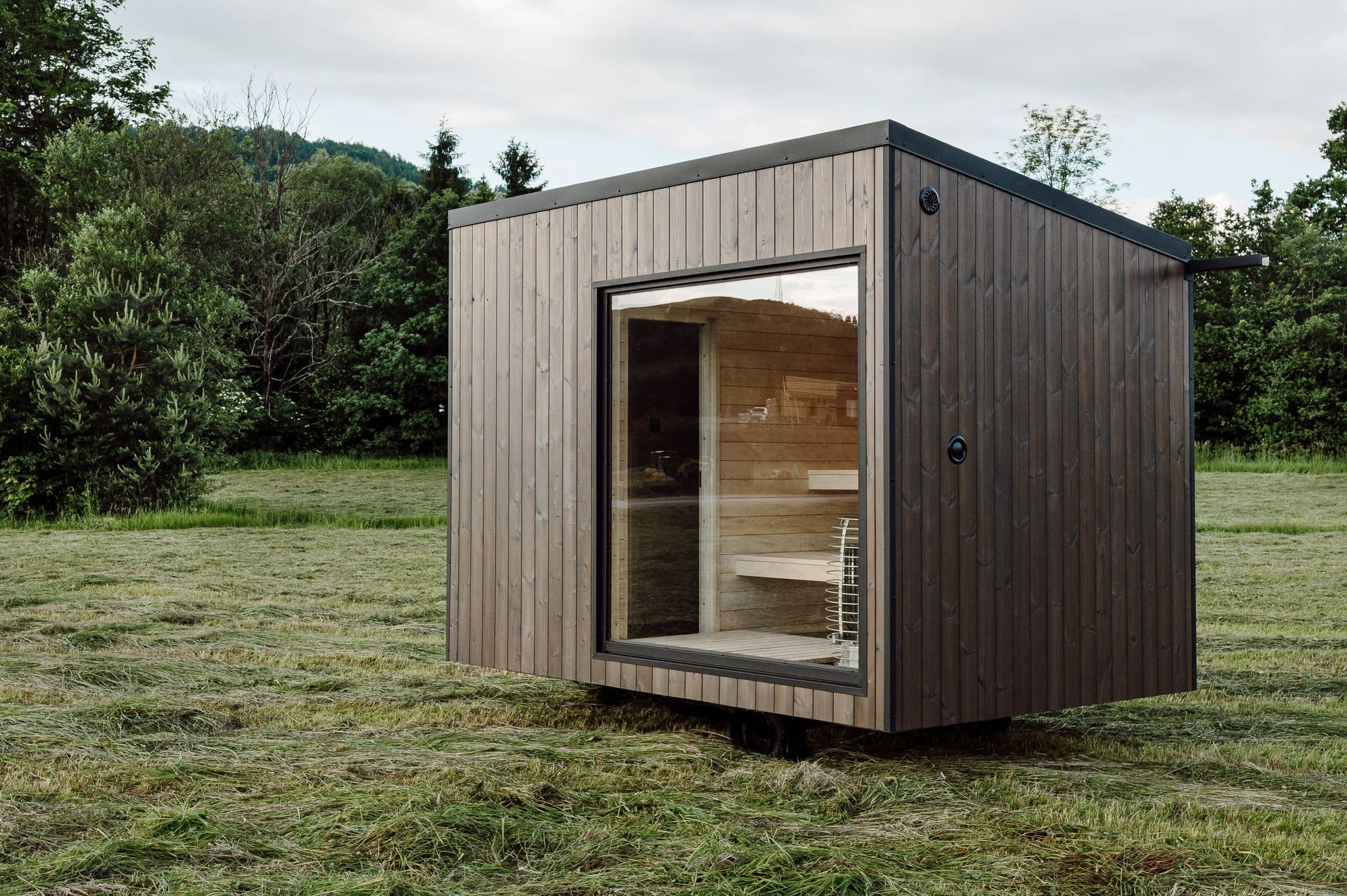
On the outside, you want wood that will stand up to rain and snow. Look for larch, which has a high resin content, or any wood that has been thermally modified.
Thermal modification makes timber resistant to rot, fungi and decay, with a lifespan north of twenty, even thirty years.
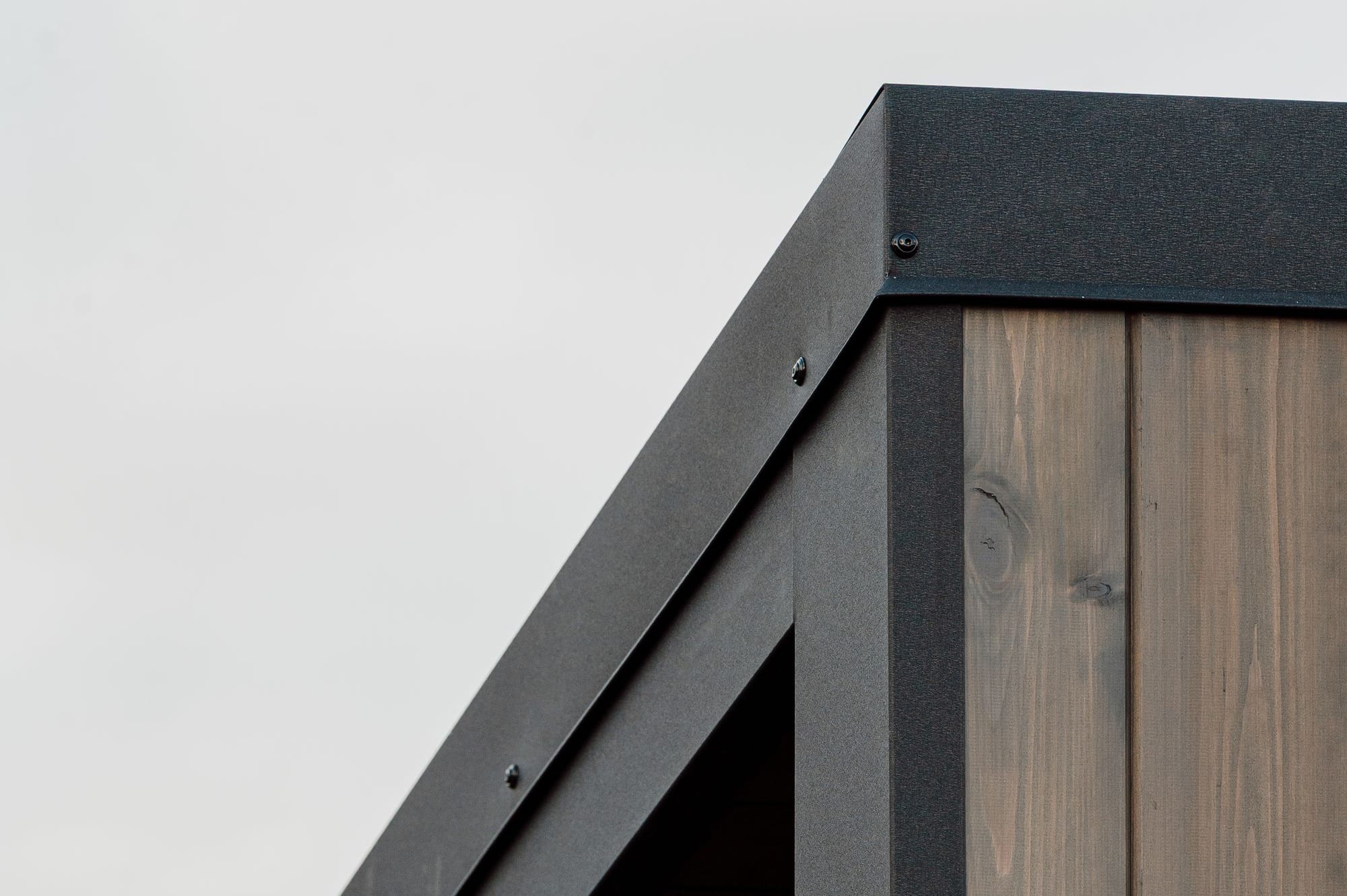
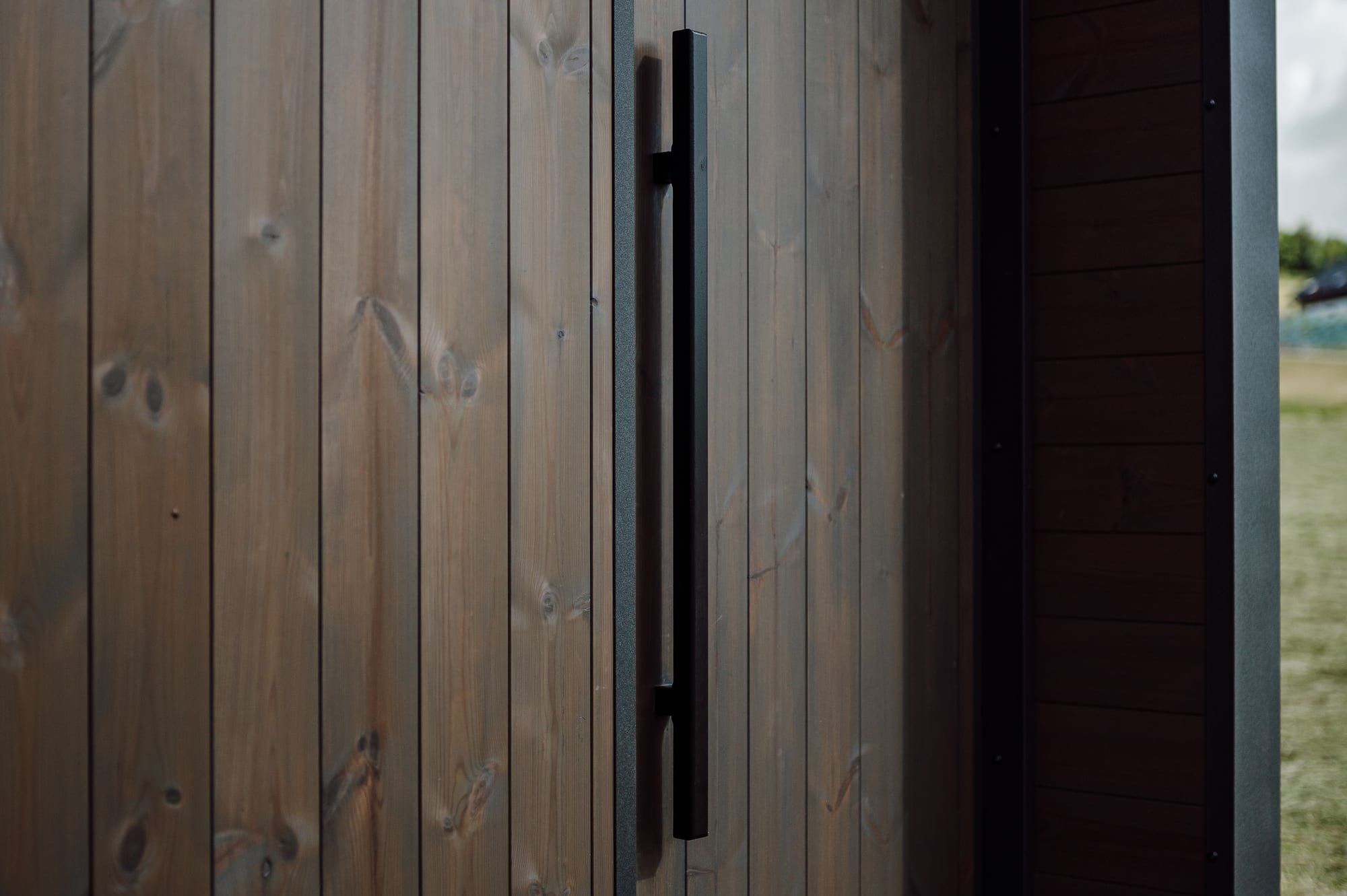
One thing nobody selling thermowood mentions: it still greys under UV. That is colour, not decay. Oil it every few years, or decide that grey is what you wanted all along.
Shape
This one is easy. When you see a barrel sauna, you already know the answer.
The reason for the barrel shape is economy. A barrel has no insulation in the staves, so it is much quicker and easier to build.
Unfortunately, barrel saunas are not worth it. The shape allows for only one bench level, and a Finn would certainly disapprove.
There is no way to get your body into the heat zone. Heat rises, and it sits above the heater. So unless you add mechanical ventilation or a Saunum heater, you will be cold from the shoulders down.
Heat rises, and it sits above the heater. In a barrel, there is no way to get your body into it.
To be fair, a barrel at 4,000 EUR is a real way into sauna culture. Just know what you bought. It is an entry point, not a decision you make twice.
Look for saunas that are cube-shaped on the inside, with at least two bench levels, and the top bench at or above the top of the stones, 100 to 120cm below the ceiling. That is the geometry that puts your whole body in the heat.
Ventilation
I feel like I keep repeating myself here, but many sauna manufacturers still get this wrong. If a manufacturer offers no ventilation at all, look for a different manufacturer.
At the very minimum there should be an air intake and an air exhaust. Gravity ventilation is better than nothing. Mechanical ventilation is better than both.
Air comes in above the heater, warms, circulates around the room, and is drawn out once it has cooled, through a mechanical fan pulling from an opening close to the floor.
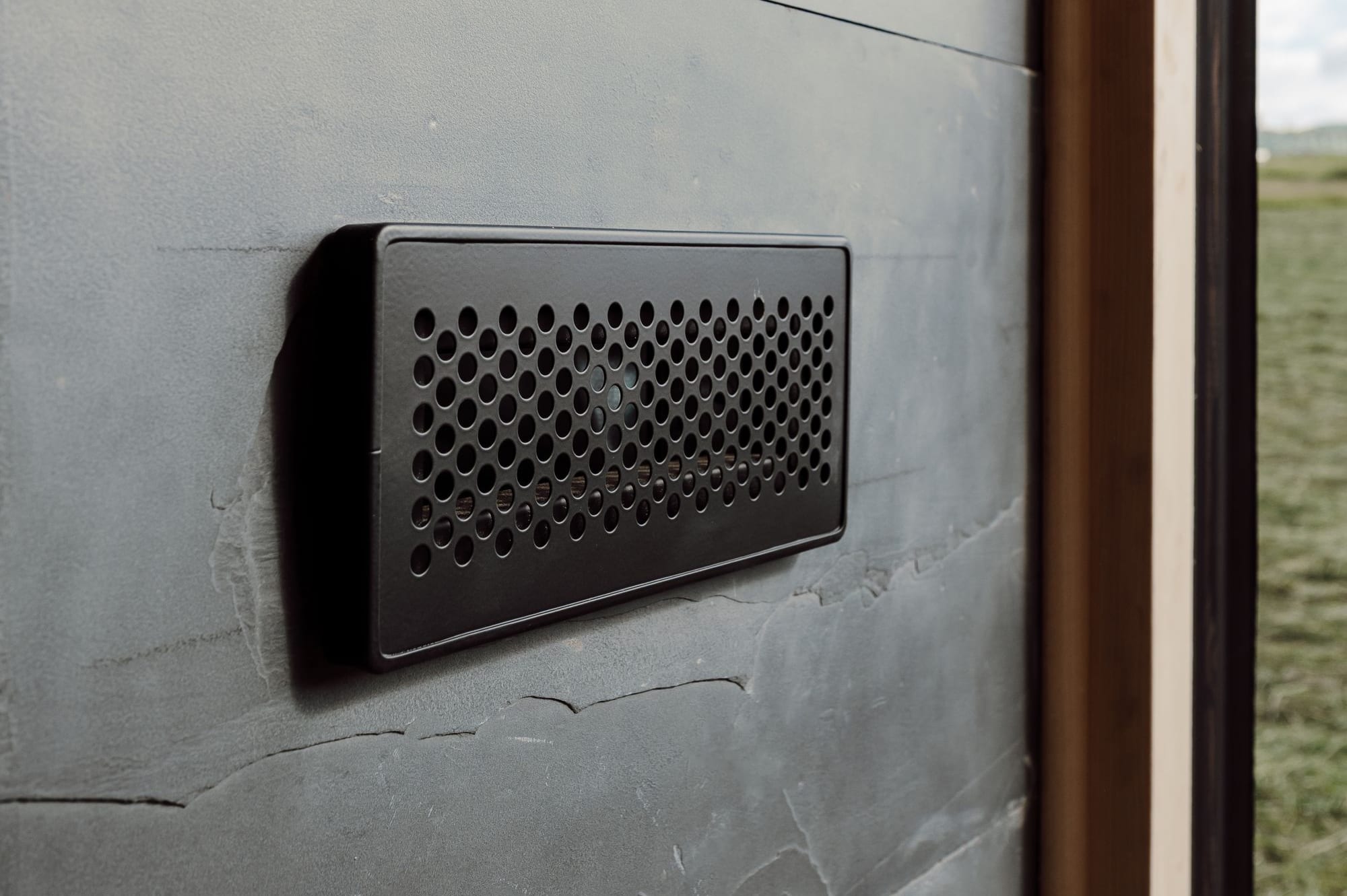
The number that matters is CO2. Outside air sits at around 400ppm. Four people in a sealed sauna push past 2,000.
That heavy head is not the heat
The dull, weighted feeling people blame on temperature is usually CO2. A driven intake and a low exhaust keep it down, which is why the air on the top bench at minute forty is as good as it was when you sat down. Our system is called yukiHeat.
Details
Details are easy to overlook, because you have to know where to look for them. A well-considered detail is the difference between a sauna you pass down to your children and one that becomes a liability in a few years.
Some of them you will never see, like the layer buildup of the floor. Others are in plain sight once you know to check, such as anti-rodent mesh around the perimeter of the ventilated facade.
Ask the manufacturer about moisture management on the floor and the roof, about rodent prevention, about insulation, about the wall buildup. If the wall has fewer than six materials in it, keep asking. Yuki walls are 170mm, with 100mm of mineral wool inside.

The Questions Worth Asking
Then ask the boring questions, because they are the ones that decide how the next decade goes.
Who comes out when the heater controller fails in year five. Whether panelling can be replaced in sections, or only a whole wall at a time. And whether the sauna can be moved at all. Ours sits on a steel frame, so it can be lifted and set down somewhere else. Most saunas cannot.
I like finding companies and products that are little gems. So well thought out that choosing them feels like a shortcut you were not supposed to find. That is why we built Yuki Sauna.
If you are working through this list for yourself, see the models we build, or get in touch and we will help you with anything sauna-related.
Keep Reading

Featured Model
Outdoor Sauna Buying Guide
What to settle before you commit to a sauna
Learn More →
Featured Model
YukiHeat Ventilation
Mechanical ventilation in every Yuki sauna
Learn More →